Tag: #Houthi

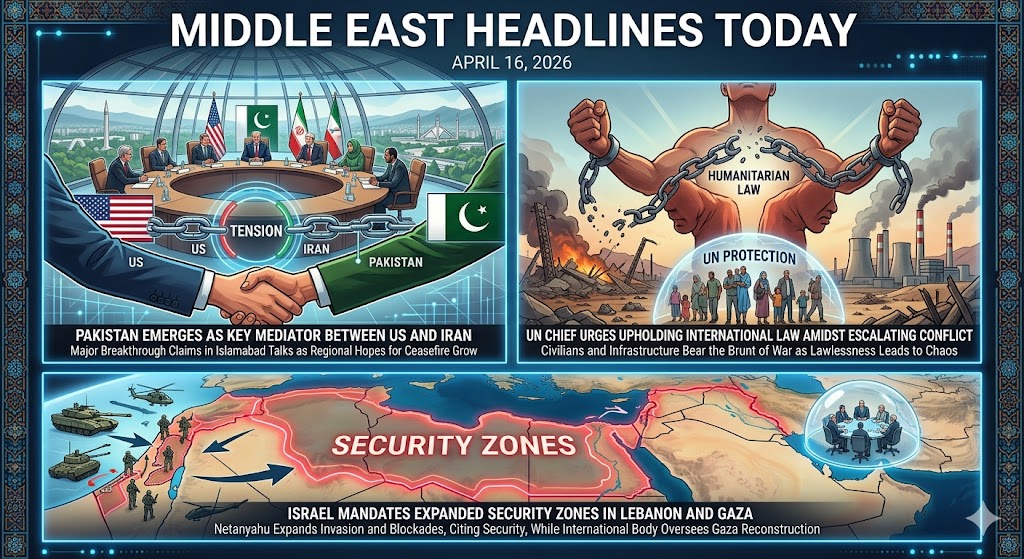
  • Middle East Head Line –Thursday, April 16, 2026

    Middle East Head Line –Thursday, April 16, 2026

    Significant Progress Reported in Oman-Led De-escalation Talks Between the U.S. and Iran.

    Following days of intense shuttle diplomacy in Muscat, mediators report a potential breakthrough in de-escalating military tensions and resuming some elements of the nuclear dialogue. Both Washington and Tehran are reportedly considering “confidence-building measures” in a move that could reshape regional security dynamics.

    Heightened Regional Anxiety as Strikes and Counter-Strikes Continue to Disrupt Red Sea Shipping Lanes.

    Commercial vessels are increasingly rerouting around Africa as maritime security deteriorates following a new wave of attacks. Major shipping conglomerates warn of supply chain chaos and significant insurance premium spikes, potentially reigniting global inflationary pressures.

    Humanitarian Catastrophe Deepens in Gaza Amid Continued Aid Blockades and Intense Fighting.

    UN agencies warn of widespread famine and the complete collapse of essential services in Northern Gaza. International pressure mounts for an immediate ceasefire and the unhindered delivery of massive humanitarian relief as civilian casualties continue to soar.

    Saudi Arabia Unveils Massive New Investment Fund Dedicated to AI and Future Tech.

    In a major push for Vision 2030 diversification, Riyadh announces a $40 billion initiative to foster a domestic AI ecosystem, targeting global partnerships and talent. The move underscores the Kingdom’s ambition to become a primary technological hub in the Middle East, challenging traditional economic models.

    Middle East Green Initiative Moves from Promises to Action with Massive Solar Project Funding.

    Regional leaders, led by Saudi Arabia and the UAE, activate billions in funding for large-scale renewable projects, focusing on new solar parks and green hydrogen production. The aggressive shift aims to transition the region from oil dependency toward a sustainable, low-carbon future before the next global climate summit.

  • Middle East Head Line – Sunday, March 29, 2026

    Gaza Humanitarian Crisis Deepens Amid Warnings of Famine

    Aid organizations struggle to distribute food and water in Gaza, warning of imminent famine for hundreds of thousands as conflict impedes relief efforts and critical infrastructure remains heavily damaged. The international community faces increasing pressure to broker a ceasefire and facilitate unrestricted humanitarian access to the territory.

    Houthis Vow Continued Attacks on Red Sea Shipping, Dismissing International Pressure

    Despite recent US and UK airstrikes targeting their positions, Yemen’s Houthi rebels have doubled down, vowing to persist in attacks on commercial vessels in the Red Sea they perceive as linked to Israel. The group’s persistent targeting of shipping lanes has severely disrupted global trade, forcing major maritime companies to divert vessels around the Cape of Good Hope.

    US and Iran Engage in Indirect Talks Amid Regional Tensions and Nuclear Concerns

    European intermediaries are facilitating renewed indirect talks between the United States and Iran, aimed at de-escalating heightened regional tensions and potentially reviving the 2015 nuclear deal. The discussions come amidst a backdrop of ongoing drone and missile attacks on US forces in the region and Iran’s continued expansion of its nuclear program.

    Israeli Protests Escalate Over Hostage Deal and Government’s Handling of War

    Tens of thousands of Israelis take to the streets in Tel Aviv and Jerusalem, demanding the government secure a deal for the release of hostages held by Hamas in Gaza and calling for early elections. The protests highlight deep societal divisions over Prime Minister Netanyahu’s handling of the conflict and the priorities of the ongoing war effort.

    Turkey Struggles to Manage Influx of Refugees Amid Syrian Crisis and Economic Hardship

    Already hosting millions of Syrian refugees, Turkey faces increasing challenges as the long-standing conflict in Syria shows no sign of ending, and its own economy faces significant inflationary pressures. The government is balancing its humanitarian obligations with growing domestic discontent over the strain on public services and infrastructure.